Rediscovering Yuletide
The Pagan and Witchcraft Roots of Christmas Traditions
I was driving my mom’s car the other day (she’s storing it at my house while she’s away for a bit) and I opted for the regular FM radio instead of connecting my phone because, well, it’s officially holiday-carol season.
As I drove through the streets with fresh snow falling around me, one familiar carol drifted through the speakers and a single word stood out: Yuletide.
I’ve heard these carols over and over again my entire life. I’ve sung them without thinking. But more recently I’ve started to consider how easily Yuletide shows up as a stand-in for “the Christmas season” without any real explanation of what Yule actually is… where it came from… or who it belonged to first.
Because it wasn’t originally a Christian concept at all.
It wasn’t tied to the birth of Jesus. It wasn’t born in a manger. Yule is far older - rooted in pagan midwinter celebrations across Norse and Germanic cultures that honored the darkest nights of the year and the slow return of the sun.
And now, in a time when many of us are re-examining the stories we were taught - realizing that history often left out entire cultures, worldviews, and spiritual lineages - it feels important to say out loud:
Christmas, as we know it, carries deep pagan and witchcraft roots.
That is said not to diminish anyone’s faith, but to give credit where credit is due… especially to the very traditions and practices that were later reframed, forbidden, or punished.
And honestly? Sagittarius season is the perfect time to explore this. It’s a season of widening perspective, embracing different cultures, and remembering the threads that weave our stories together. So let’s unravel some of those threads for a moment, shall we?
What Yule Originally Was
Yule (Jól) traces back thousands of years in Norse and Germanic pagan history. Long before Christmas existed, Yule was a sacred season of feasts, fires, and magic. While every detail isn’t preserved, we do know that it was a time to:
honor ancestors, gods and spirits
protect households through the long winter
celebrate the rebirth of the sun
call in blessings for the year ahead
show respect to the natural world
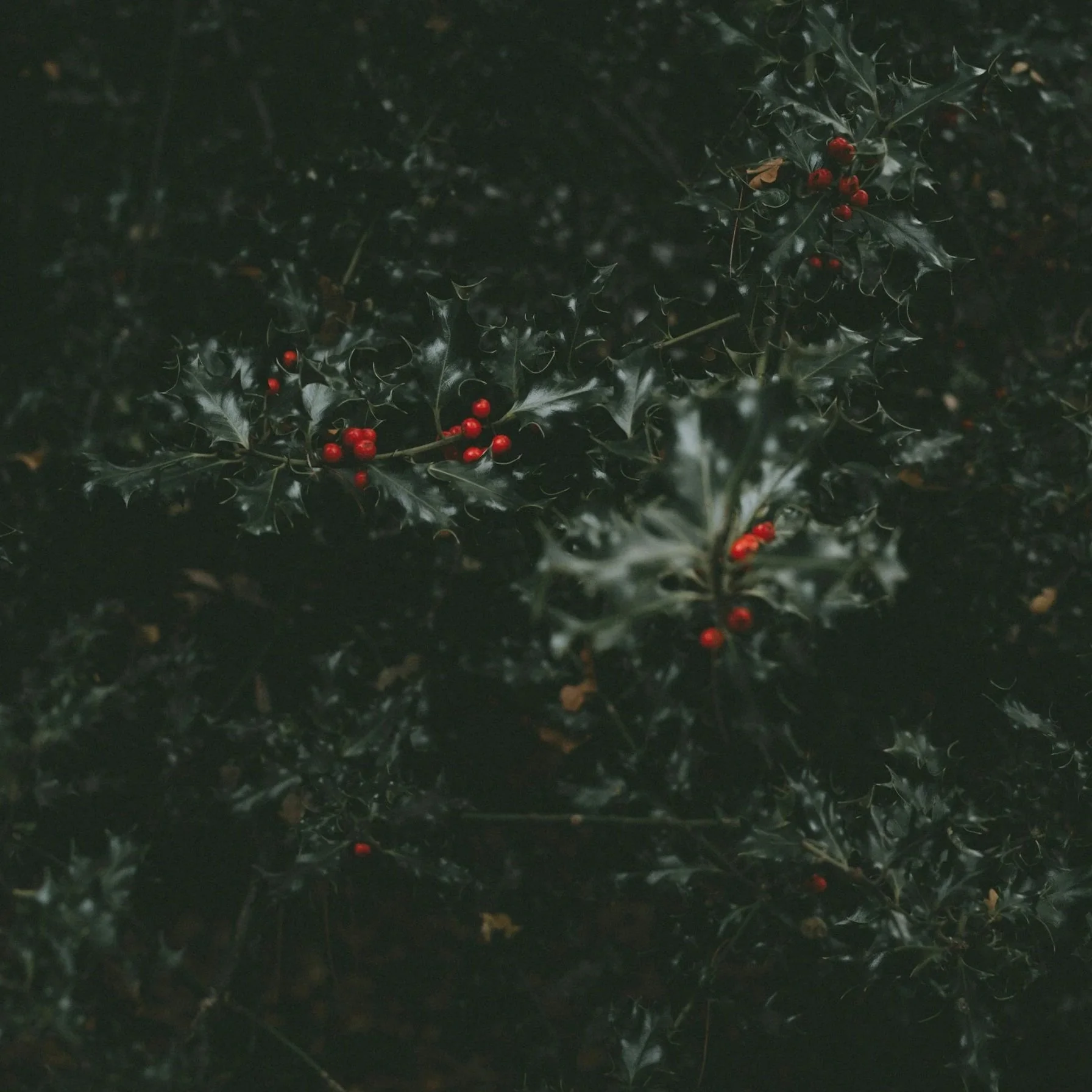
Communities lit candles to welcome helpful spirits and gods, to guide wandering ancestors home, and to keep harmful beings at bay. Bonfires burned through the longest nights while sacred evergreens decorated homes as symbols of vitality and protection. Mistletoe - a plant that was especially revered by Druids - was gathered for its magic of fertility, healing, and renewal.
These traditions weren’t aesthetic. They were spiritual technologies and important rituals of survival, reverence, and connection for communities that never knew what their fates would hold as the cold, dark seasons set in.
How Pagan Yuletide Traditions Became “Christmas Traditions”
When Christianity spread across Northern Europe, these winter practices didn’t simply disappear. In fact, many were intentionally adapted because leaders knew it was easier to absorb familiar traditions than erase them. King Haakon the Good of Norway, in the 10th century, famously aligned Yule with Christmas as part of converting his kingdom after a trip to England.
Here are a few of the most recognizable ones:
Evergreens & Wreaths
Symbols of life and strength during the darkest days. Used for protection, vitality, and as a reminder that life endures.
The Yule Log
A sacred, often carved or blessed log burned for protection, good fortune, and to honor the returning sun. The ashes were kept all year for ongoing blessings.
Mistletoe
A plant of magic, healing, and fertility. Its modern “kiss beneath the branch” tradition echoes its ancient symbolism of union and blessing.
Midwinter Feasting
Shared meals and communal celebration traced back to Yule long before Christmas feasts existed.
Gift-Giving
Offerings to gods, ancestors, spirits and community members during Yule were common (and spiritually significant) and eventually became woven into the Christian holiday calendar.
The Wild Hunt (and its Santa connection)
In some pagan lore, the god Odin was said to ride through the winter skies leading the Wild Hunt - a ghostly procession of uncertain spirits. Some scholars note that elements of this myth influenced the later imagery of a winter rider with supernatural companions (sound familiar?)… eventually evolving into one of the many roots behind the Santa/“Father Christmas” archetype.
Now, I want to be clear that none of this negates the value Christmas holds for people today. But it does reveal something important:
These traditions weren’t born from one religion. They’re part of a much older, earth-based lineage that Christianity later incorporated… sometimes respectfully, sometimes strategically, and sometimes while condemning the very magic it was borrowing from.
Why This Matters Today
We’re living in a time when spiritual traditions - especially pagan, witchcraft, nature-based, or ancestral practices - are still misunderstood or judged, often by the very systems that once borrowed from them. Even though there is a growing resurgence of them.
So highlighting these roots isn’t about taking anything away from anyone’s faith. It’s instead about acknowledging the full story… honoring the cultures that came before… and reminding people that the magic of midwinter has always belonged to everyone.
And maybe - just maybe - it invites us to reconnect with the season the way our ancestors once did:through reverence, ritual, firelight, community, and the quiet awe of the returning sun.
Yuletide blessings, friends 💫